Apartment Burst Pipe Repair
Shared Building Plumbing
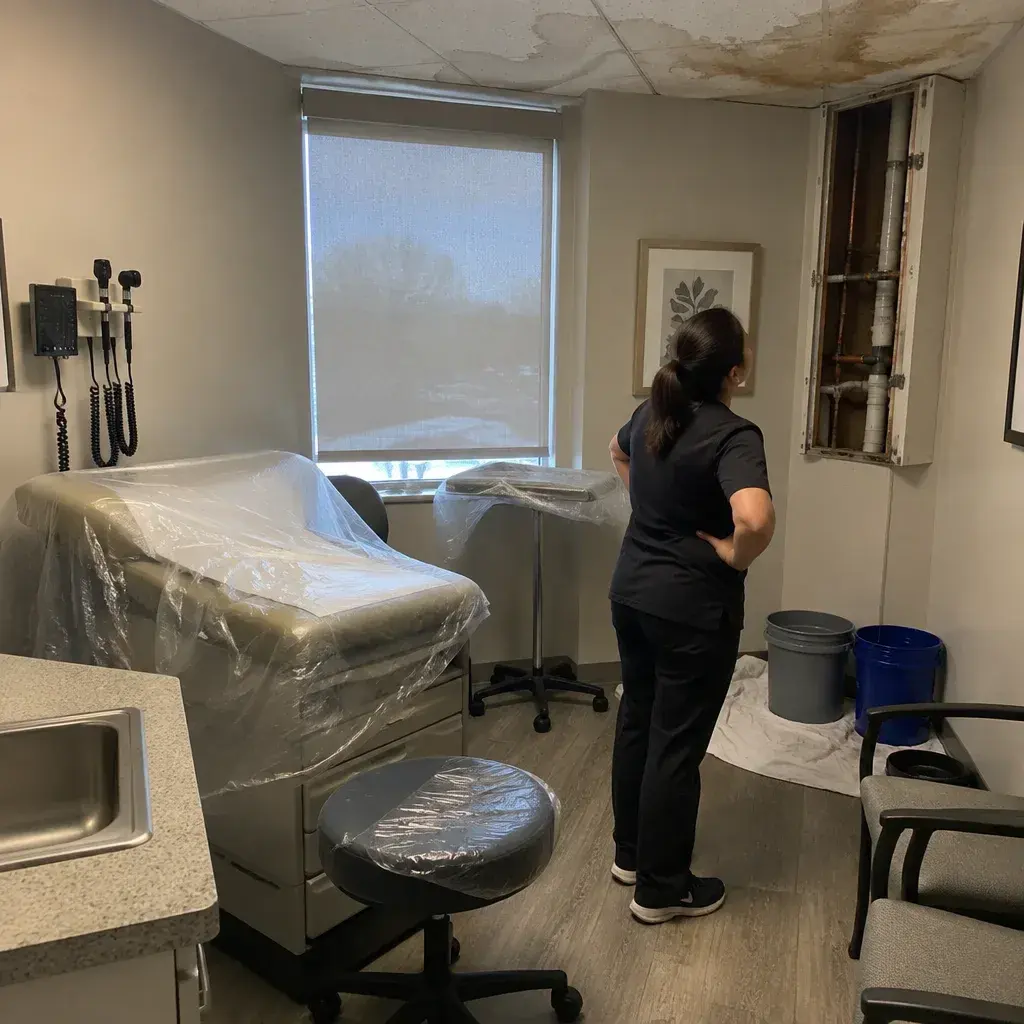
Plan office access, affected plumbing zones, and occupant communication around pipe repair in Kentucky.
A plumber locates the failed supply pipe, assesses safe access, and repairs or replaces the damaged section with compatible parts. Facilities staff can arrange entry, notify occupants, and identify operational limits. When feasible, isolating only the affected plumbing zone can preserve service elsewhere; the plumber checks the repair before water is restored.
A pipe split can turn a routine workday into a building operations problem. In Kentucky, office burst pipe repair starts with knowing which rooms, teams, and shared services depend on the affected line. A break near a conference suite can disrupt meetings; one near a records room can put stored documents at risk. Tell the pros we connect you with what the office must keep running. That context helps shape access, work boundaries, and a repair plan that limits interruption while addressing the damaged water line.
A wet ceiling tile, water near a fixture, or an unexplained plumbing outage can point to a supply-line problem. In Kentucky, note where the sign appeared and which rooms share that plumbing area. Keep people clear of wet spaces where electrical equipment may be involved. Shut off water only if the valve is safe to reach and operate. These observations help facilities staff describe the issue without asking occupants to investigate a wall, ceiling, or equipment area themselves.
The building’s valve layout can determine whether the whole office loses water or only one zone. In Kentucky, ask facilities staff which fixtures and work areas depend on the suspected line. If the system allows that section to be isolated, other areas may continue operating while the damaged pipe is assessed. A broad shutoff can affect restrooms, kitchens, or tenant spaces beyond the leak. Sharing the known valve arrangement helps the plumbing professional plan around those dependencies.
Occupied offices need an access plan before a repair area is opened. In Kentucky, tell the pros we connect you with how visitors enter, which doors need escorts, and when rooms are unavailable. A secure office near Baptist Health Deaconess Madisonville, for example, may have different entry procedures from a shared commercial suite. Give facilities staff and affected occupants a clear point of contact. Coordinated entry can prevent delays and reduce interruptions in nearby work areas.
The repair boundary should account for what sits beside the pipe. In Kentucky offices, identify computers, network cabinets, paper files, and furniture that could obstruct access or need protection. A workspace near Toyota Motor Manufacturing Kentucky may have operational constraints unlike a small administrative office, so describe your actual equipment and work rules. Facilities staff can help clear a practical route and mark areas that should remain undisturbed while the plumbing professional reaches the affected line.
| Building zone | Entry coordination | Service effect |
|---|---|---|
| Site orientation | Kentucky address and clear entrance directions | Landmark examples: Franklin Historic Shopping District, South Shore Wildlife Management Area |
| Entry approval | Escort rules and restricted rooms | Confirm who can authorize the plumber’s route |
| Occupant timing | Busy desks, interviews, and scheduled meetings | Flag periods when noise or entry would disrupt work |
| Line boundaries | Fixtures and rooms on the affected branch | Ask whether unaffected office areas can retain water service |
| Asset protection | Computers, paper files, and nearby equipment | Clear or cover items before opening the pipe area |
| Work limits | Ceiling panels, tools, and temporary barriers | Mark a route that keeps staff beyond the active work area |
| Building coordination | Shared systems and neighboring tenant needs | Check dependencies before isolating a plumbing zone |
| Reopening check | Rooms and fixtures awaiting restored service | Facilities can confirm affected spaces are ready for staff |
Water may show up far from the break. In a Kentucky office, a damp ceiling near a hallway could trace back to piping above another room. Share the first place water appeared, any changes since then, and which fixtures behave differently. Facilities staff can compare those signs with available building plans. This narrows the search area and helps avoid opening unrelated spaces before the damaged section is located.
Once the break is exposed, the repair must fit the line already installed. In Kentucky, pipe material, diameter, condition, and connection style guide compatible replacement parts and methods. The damaged portion may need replacement when a lasting repair cannot be made at the break. Tell the plumbing professional if building plans identify the system, but leave confirmation to inspection. A suitable connection helps restore dependable water flow without introducing a mismatch elsewhere in the line.
A concealed pipe can require opening a ceiling, wall, or floor, which may extend disruption beyond the wet room. In Kentucky, facilities staff can help choose an access boundary that avoids busy reception areas or scheduled meetings when practical. Explain which adjacent rooms must stay open and where occupants can work during access. Near Kentucky Dam Village State Resort Park, an office's daily demands may differ from another site's; the work area should reflect your building's needs.
Water service should return only after the repaired connection is checked. In Kentucky, the plumbing professional can confirm that the section holds without visible leakage and that water moves through the affected line. Facilities staff can identify representative fixtures for the check, including those used by teams outside the repair room. This helps reveal whether service has reached the intended area before occupants rely on it again.
Restoration also requires a useful update to people who use the affected rooms. In Kentucky, facilities staff can state which fixtures are back in service and whether any access limits remain. A brief notice to the relevant teams prevents confusion when a restroom, kitchen, or meeting area reopens. Keep the message tied to confirmed conditions. Occupants can then resume normal use without relying on assumptions about the repair status.
Repairing the plumbing line does not dry the office or restore damaged finishes. In Kentucky, clarify which work addresses the pipe and which work concerns wet flooring, ceiling materials, or furnishings. Water extraction, drying, and rebuilding may call for a separate provider. This distinction helps facilities staff coordinate the sequence: protect the area, complete the plumbing repair, then address affected materials as needed. It also keeps the plumbing scope clear when planning office operations.
The least disruptive work window depends on how your office uses the affected space. In Kentucky, flag confidential meetings, public appointments, shift changes, or rooms that support daily operations. Staff at an office near Cathedral Basilica of the Assumption may face different scheduling needs from a back-office suite elsewhere. The plumbing repair still depends on the pipe and access, but your constraints can guide when rooms are cleared and how occupants are routed around the work.
Before contacting a plumbing professional, map the affected rooms and the routes people use to reach them. In Kentucky, note visible water, fixtures with interrupted service, doors requiring escort, and equipment near the suspected pipe. Include any time-sensitive office function that cannot move easily. This gives the pros we connect you with a practical starting picture and helps facilities staff arrange access without sending occupants through a restricted or wet area.
When discussing commercial office plumbing, explain which zone may be affected, who can grant access, and what work must continue nearby. In Kentucky, mention any available plumbing plans and the valve locations facilities staff can safely identify. Ask how the proposed repair area and service checks will fit the office's operating needs. Clear constraints let the plumbing professional consider isolation options and compatible repairs while facilities staff coordinates occupants and room access.
A supply line can split during a workday, sending water into offices and interrupting tasks. Water can also affect nearby equipment or stored materials before the leak is contained. Facilities staff can identify secure routes, occupied spaces, and work windows. A plumber can then assess safe access, select compatible repair parts, and determine whether a plumbing zone can be isolated. Clear notices and a coordinated return to service help limit disruption while the damaged line is repaired and checked.
The names that follow span listed Kentucky residential areas; compare them with your location and confirm service boundaries with the pros we connect you with, includingAnnville, Adairville and Alexandria. When describing the job, ask whether distance changes the visit charge before agreeing to an appointment.
The licensed pros we connect you with can explain how access to the damaged pipe affects the repair. A small office leak and a warehouse line break can differ in scope. Pipe size can shift the quote. Repeat visits can change the total. Ask the pros we connect you with what each visit covers.Across Kentucky, line diameter and damaged length shape compatible parts, which can shift a business estimate. When calling the pros we connect you with, share the pipe size if known, break location, and whether water is off. A shop near Saunders Springs Nature Preserve may need a different parts list.The pricing guide identifies variables that shift a repair bill; the commercial overview traces how commercial conditions shape the work.
Shared Building Plumbing
Kentucky Hospitality Plumbing
Give the plumbing professional your building address, the floor and rooms where water appeared, and whether it is still spreading. Mention visible spray, damp ceilings, or an interruption to water service. Explain entry procedures, escorts, and any rooms that cannot be released during business hours. This helps the plumber plan access and assess whether the source may be concealed. Keep people away from wet areas with electrical hazards; report those conditions before anyone approaches the pipe.
Possibly, if the building has a branch valve that controls the damaged line and it is safe to operate. Commercial office plumbing layouts vary, so facilities staff can share available zone information while the plumber confirms which spaces that valve serves. Isolating a suitable branch may preserve water in unrelated areas. If no usable branch valve serves the break, a wider interruption may be needed while the pipe is repaired and checked.
Move portable electronics, files, and supplies only along a dry, clear route. Keep staff out of rooms with standing water, wet electrical equipment, or unstable overhead finishes. Tell facilities staff which workstations and records are at risk so they can set priorities and arrange safe relocation. Do not enter an unsafe area to retrieve property. Pipe repair addresses the water line; removing water and restoring affected office materials may call for separate help.
Have one facilities contact coordinate room entry, occupant notices, and changes to work routes. Share which areas must remain accessible and when occupied rooms can be cleared for repair. After the plumber checks the line and water service returns, facilities staff can confirm which rooms are ready for normal use. If ceilings, walls, or contents need drying or restoration, arrange that work separately from the plumbing repair.
Share the affected rooms, entry procedures, and workday constraints with the pros we connect you with across Kentucky.
Call (502) 444-8278