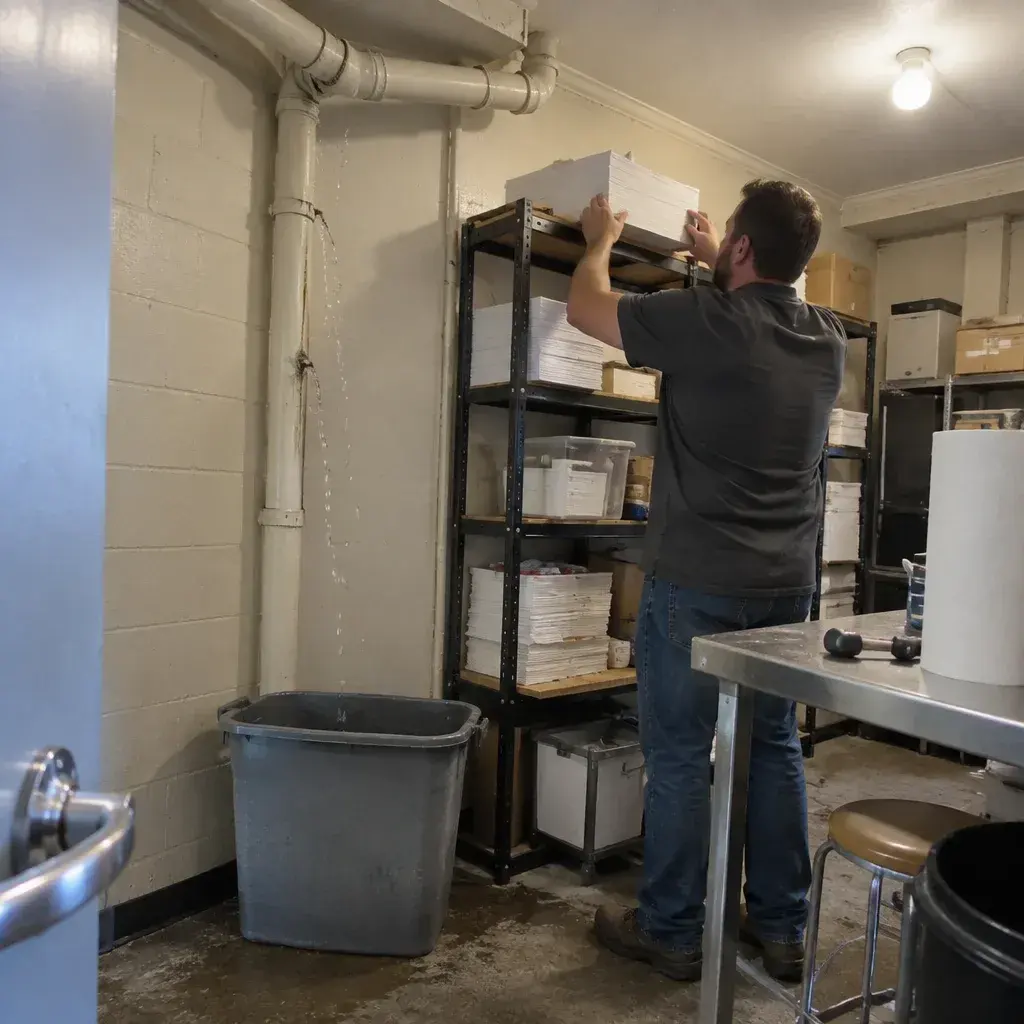
Pressure Changes Inside Home Plumbing
Kentucky homes vary in age and layout, so pipe material and route require inspection. Pipe material can affect which replacement section is compatible. The plumber compares the break with a pressure reading.
Access to the damaged section can affect how the plumber reaches and repairs it. No single pipe layout or material can be assumed across that range. The plumber assesses the actual line and pressure at your property.
In Kentucky, requests come from households across standard street-delivery areas, including locations around My Old Kentucky Home State Park. The listed areas show where residential mail is delivered; share your address with the pros we connect you with to check local coverage.
How a Supply Line Is Repaired
- FAILURE CLUE
- Your notes about when the break began can help place earlier fixture symptoms in context.
- BREAK LOCATION
- The split’s position and shape give the plumber evidence to compare with nearby joints and supports.
- GAUGE RESULT
- A gauge reading with fixtures closed gives a static pressure measurement for the assessment.
- PIPE SECTION
- If the system has a regulator, the plumber can review its operation after measuring pressure.
- PRESSURE CONTROL
- A pressure reading is one part of the cause assessment; the pipe’s condition and failure history matter too.
- WATER SHUTOFF
- Kentucky’s freeze timing varies across the state, and cold can affect poorly insulated or unheated pipes. A break noticed after a freeze may have another cause, so pressure readings and the pipe’s condition still matter.
- FREEZE EXPOSURE
- an estimated $350–$1,300
Choosing Compatible Parts for the Line
Water hammer is a knock in plumbing when moving water stops quickly. The knock may recur when a fixture or appliance shuts off. Compare the sound with the evidence: water hammer is a pipe knock linked to a quick stop in moving water. A burst leaves a physical leak, spray, or wet area. The plumber can inspect the line even if both symptoms occurred near the same time.
Checking Flow After the Repair
The plumber locates the split and studies its position, nearby joints, and supports for signs of strain. They inspect the pipe surface for corrosion or other damage around the split. That sequence helps distinguish pressure concerns from other possible causes before repair begins.
With flow stopped, the plumber removes the failed span and joins a replacement that matches the existing line. They support the new span to keep movement from stressing its joints. A gauge reading with fixtures closed then helps assess static pressure; a regulator can be reviewed if the findings warrant it.
A Kentucky repair may be complete once the damaged pipe is replaced, the line holds under pressure, and water flow is confirmed. If access to concealed pipe remains unfinished, another visit may be needed. Ask what must happen before the area can be closed; routine visits need a clear reason.
CONTRAST BETWEEN A LEAK FIX AND REGULAR PLUMBING CARE
| Repair Verification |
Repair Method |
|---|
| Fresh pipe damage, limited so far | Pipe section replacement |
| Dampness returns after an earlier pipe fix | Water-flow confirmation |
| Several pipe splits across connected plumbing | Fresh section fitted; line holds |
Keep a Clear Path for Assessment
If the display can be read safely, note its reading and time without touching the regulator or nearby pipes. Read it only if readily accessible; do not adjust the regulator. Note when the pipe failed and whether taps sputtered, ran forcefully, or other plumbing showed leaks. Keep away from wet electrical areas.
Locating Breaks Beyond Visible Pipes
On the failure day, a split that sprays or keeps seeping shows the line is still pressurized. Water near outlets, appliances, or wiring creates an electrical danger; do not enter that area. Water can soak building materials beyond the visible leak. A static-pressure reading helps assess whether high supply pressure contributed. Drying and building repairs may need another provider.
Can Pipe Access Add to the Cost?
A split may call for different repair work depending on what the assessment finds. Ask the pros we connect you with to explain the estimate.A leak beside Shaker Village of Pleasant Hill may be visible; one near General Butler State Resort Park may be concealed. The $350–$1,300 band concerns plumbing work on the reported break. If tracing reveals more damaged pipe, scope can change. Cleanup, drying, and rebuilding are separate. In Kentucky, ask the pros we connect you with to confirm visit charges and included work.The pricing guide lays out possible charges; Emergency Burst Pipe Repair explains the work involved once the broken section is assessed.