When Urgent Timing Adds Charges
A pipe split on a Sunday night can leave you choosing between waiting and requesting urgent help. In Kentucky, after-hours service may add charges because the visit falls outside a provider’s regular schedule. The amount and billing method depend on the provider’s terms. A call from a home near Chester Goodridge Elementary School raises the same practical question as one elsewhere in the state: what extra work or dispatch charge applies at that hour? Ask before authorizing service when circumstances allow.
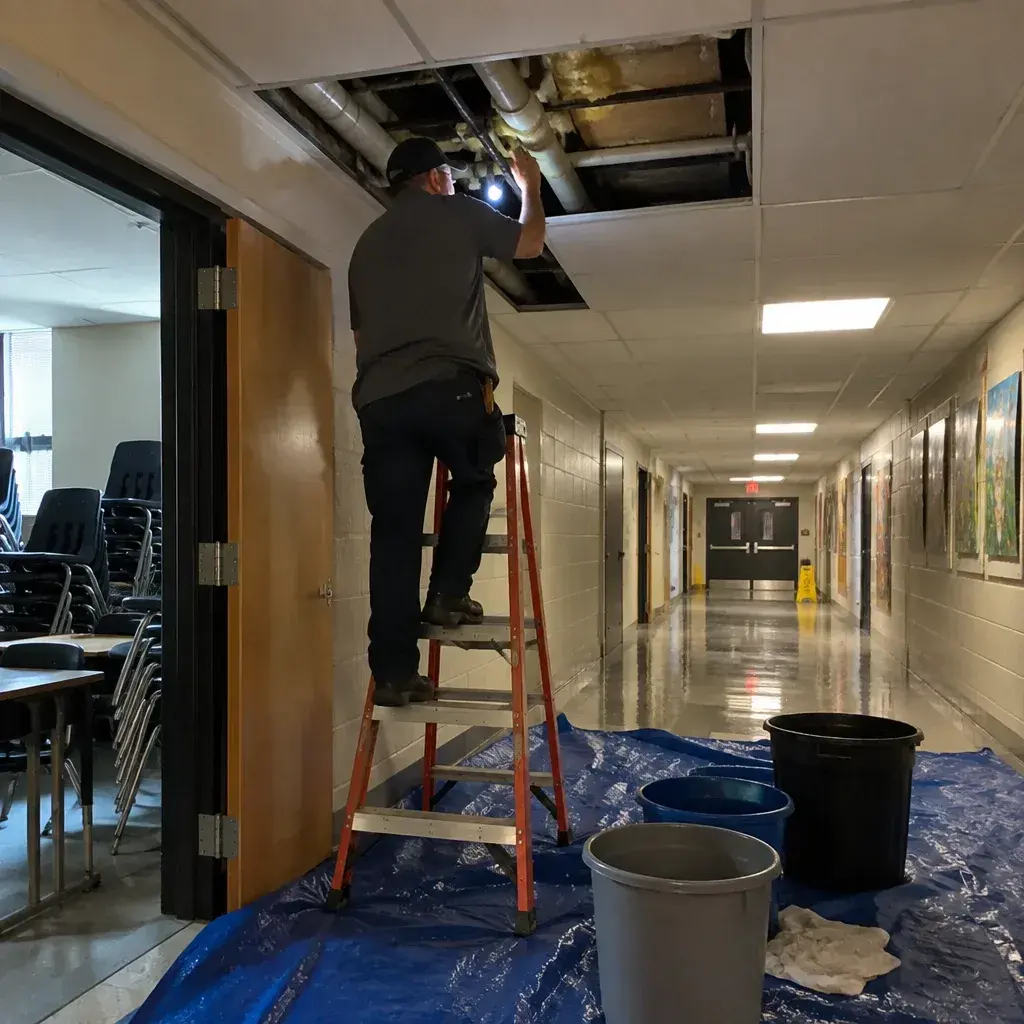
A slow drip into a bucket may give you time to arrange a regular appointment. A spray or growing wet patch can make delay harder to manage. If water reaches finishes, cleanup may become a separate task after plumbing work. A leak beneath a sink may stay hidden until stored items become damp. This gives the provider context for scheduling. Across Kentucky, winter freezes can contribute to burst pipes in poorly insulated or unheated homes, though the cause at your property needs assessment.
How Providers Count After-Hours Labor
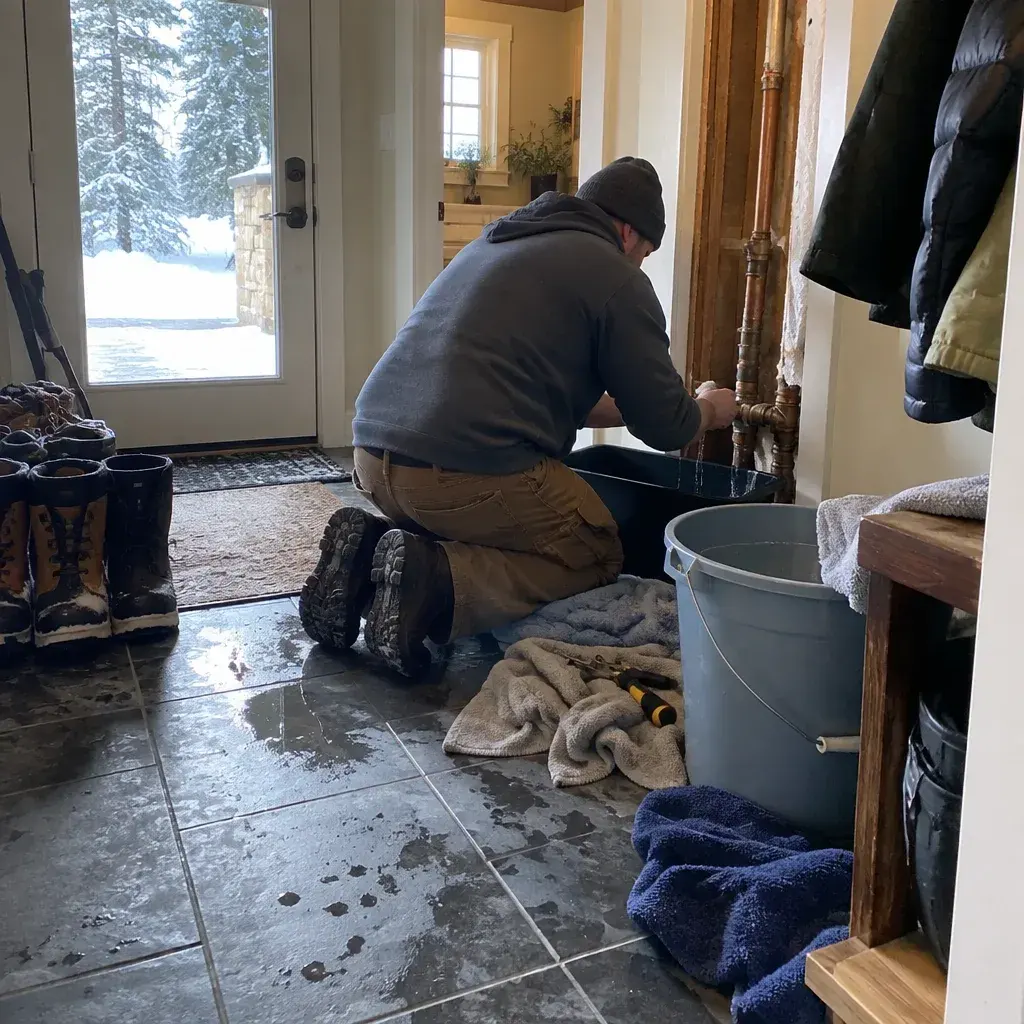
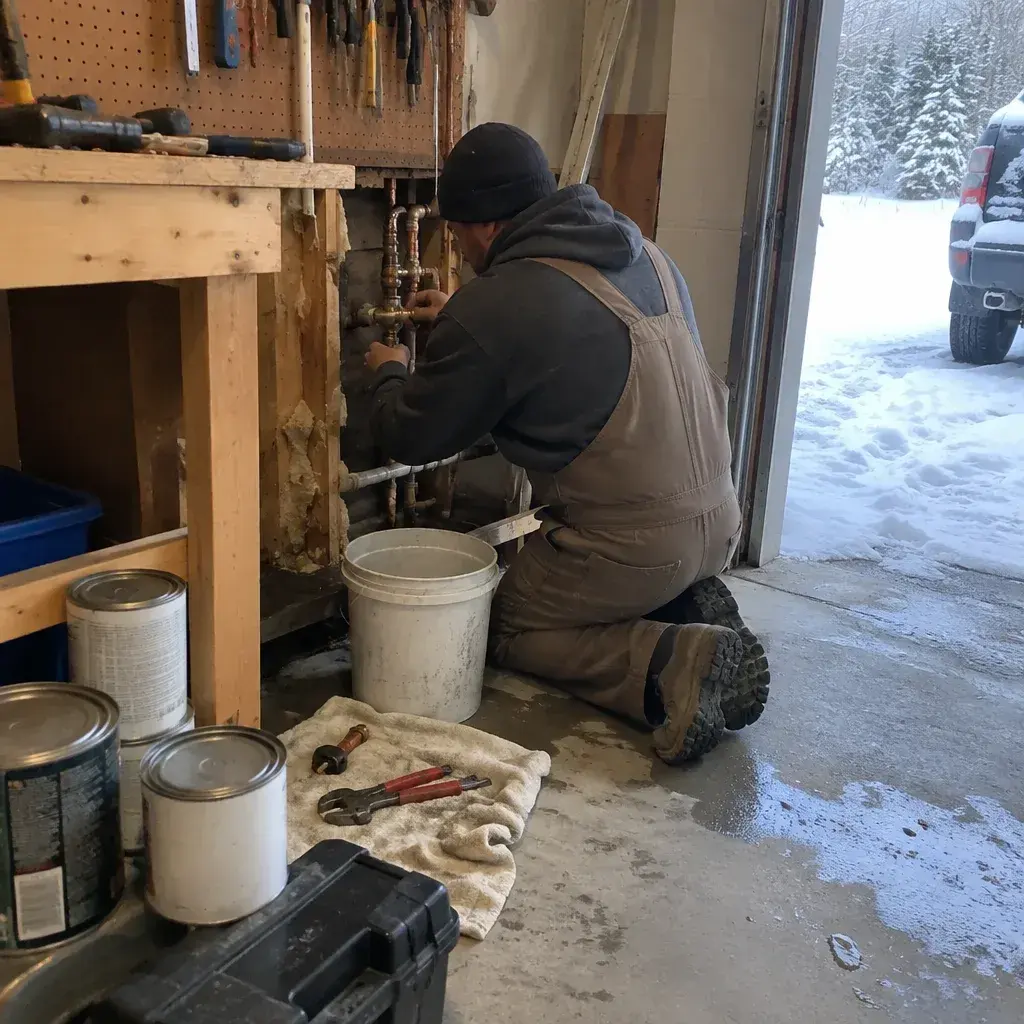
A pipe split overnight in Kentucky, and water spread before you could arrange help. Freezing water inside a pipe can expand and put stress on its wall. Ask whether a burst pipe callout fee applies, when it begins, and whether you must authorize dispatch first. If safe, limit water at the shutoff, photograph the leak and nearby damage, and note when you found it. A split can leave moisture behind walls or beneath flooring after visible water is gone.
The time you call and the time work begins may not be treated alike. Ask whether the after-hours rate starts with dispatch, arrival, or hands-on repair. Then ask how the provider records time if the job crosses into regular hours. These details help you understand the labor portion before authorizing work. Keep the answer with your notes about the leak. If the leak is active, avoid using nearby fixtures until you know whether they affect it.
What Emergency Fees May Cover
A provider may list an emergency pipe repair fee separately, or describe it within another charge. Ask what event triggers that fee and whether any part is credited toward repair labor. This clarifies how the charge relates to the visit without relying on its label. A burst pipe callout fee may also be described separately. Ask the provider to explain each term on your call, then record the answer before approving work. The pros we connect you with can explain their own billing terms.
The first visit may not settle every repair detail. Ask what the provider expects to accomplish during the urgent appointment and what would need your approval afterward. If the damage is hard to locate, ask how added work will be explained before it proceeds. Move belongings away from visible water if you can do so safely. That can shape the next steps. Whether your reference point is Pennyrile Forest State Resort Park or another part of Kentucky, confirm the visit’s scope directly.
Questions to Ask Before Work
Before work begins, ask for the after-hours charge, any emergency fee, and the repair work each covers. Ask what amount of work is authorized now and how the provider will reach you if the plan changes. If you rent, contact the property manager about who can approve plumbing work. This gives you a record of what you approved. If water is still flowing, explain that first when arranging service. Keep clear of standing water if it may have reached electrical equipment.
Make a brief record while arranging help. Note when you found the leak, where water appeared, and whether the wet area has grown. Take photos if you can do so safely. Keep those details available when the provider discusses the repair and any added charges. Ask how to arrange follow-up if drying or damaged finishes need attention, since those services may be separate. Keep the affected area accessible so the provider can inspect it.
Dealing with a burst pipe in your home?
Water after a pipe break can keep spreading while the supply line remains pressurized. In Kentucky, frost and freezes can contribute, but the cause needs checking at your property. Water can soak into nearby materials before the full damage is visible. Pipe repair locates and fixes the line; extraction, drying, and rebuilding are separate restoration work. Stay clear of electrical hazards, and ask about concealed damage before access work begins.