What the Repair Charge Covers
You found water across the floor on the day a supply pipe split. In Kentucky, the repair bill depends on the plumbing task approved, so a statewide typical amount would mislead. The useful question is what the charge covers. A focused repair of the damaged section is different from work that reaches farther into the line. Knowing that distinction helps you judge whether the proposed job matches the problem you saw.
Before work starts, ask whether the charge includes checking the completed repair under pressure and confirming water flow. Those steps show whether the line holds after the damaged section is addressed. Without them, you may pay for a repair without knowing whether the leak has stopped. In Kentucky, request an itemized estimate that names these checks alongside the repair itself. That gives you a clear basis for discussing the work before approving it.
Labor and Pipe Materials
Labor covers the plumber’s time on the repair, not just the minutes spent fitting a part. Tracing the leak, preparing the pipe, making the connection, and checking the result all take work. In Kentucky, ask how the labor charge relates to those tasks. A short visible repair and a job that requires careful access are not the same assignment. Knowing what the labor line includes can prevent confusion when the final charge arrives.
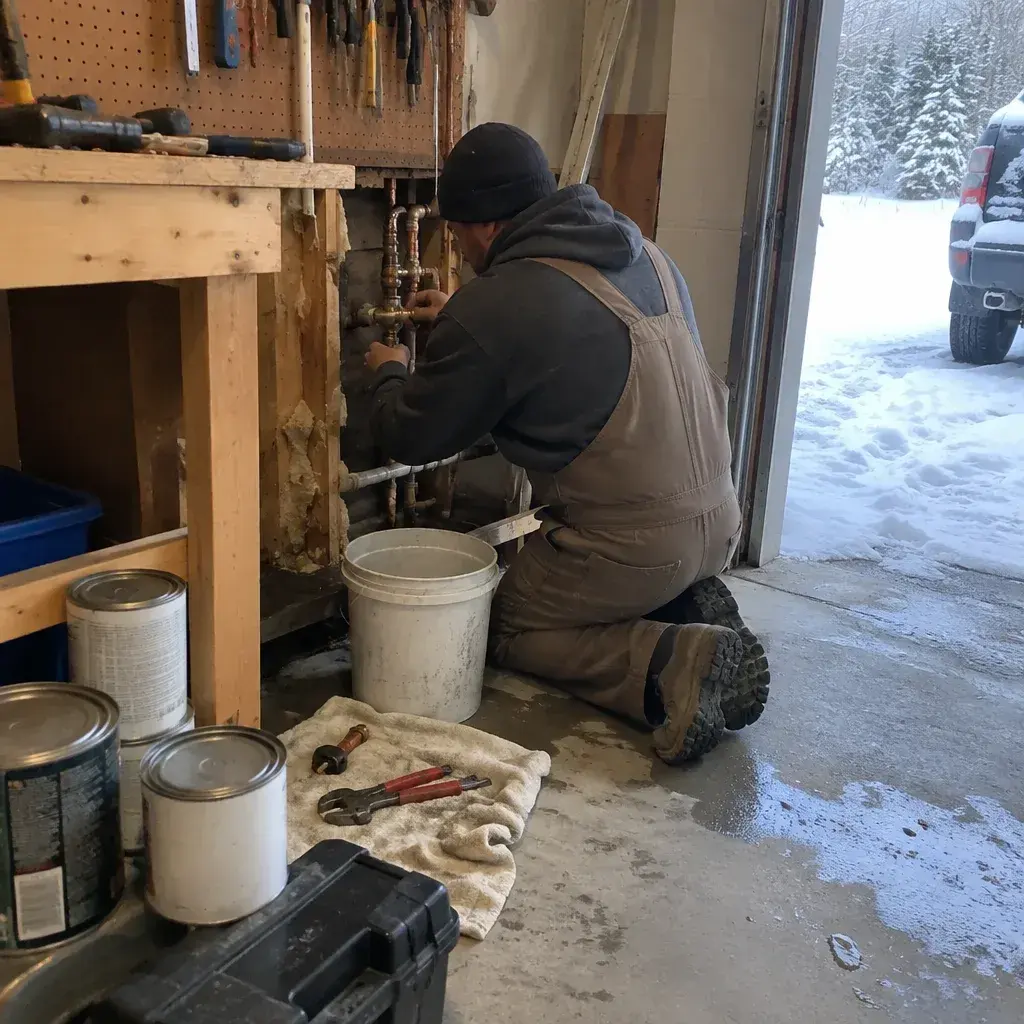
A repair estimate should clarify whether nearby joints are included. Copper, PEX, CPVC, and other systems need fittings that match their material, size, and connection method. In Kentucky, ask which replacement part the estimate allows for and why it fits the existing line. A mismatched fitting can leak, so choosing by appearance alone can lead to another repair. The right material line should describe a compatible part for the damaged section.
Access Work and Repair Scope
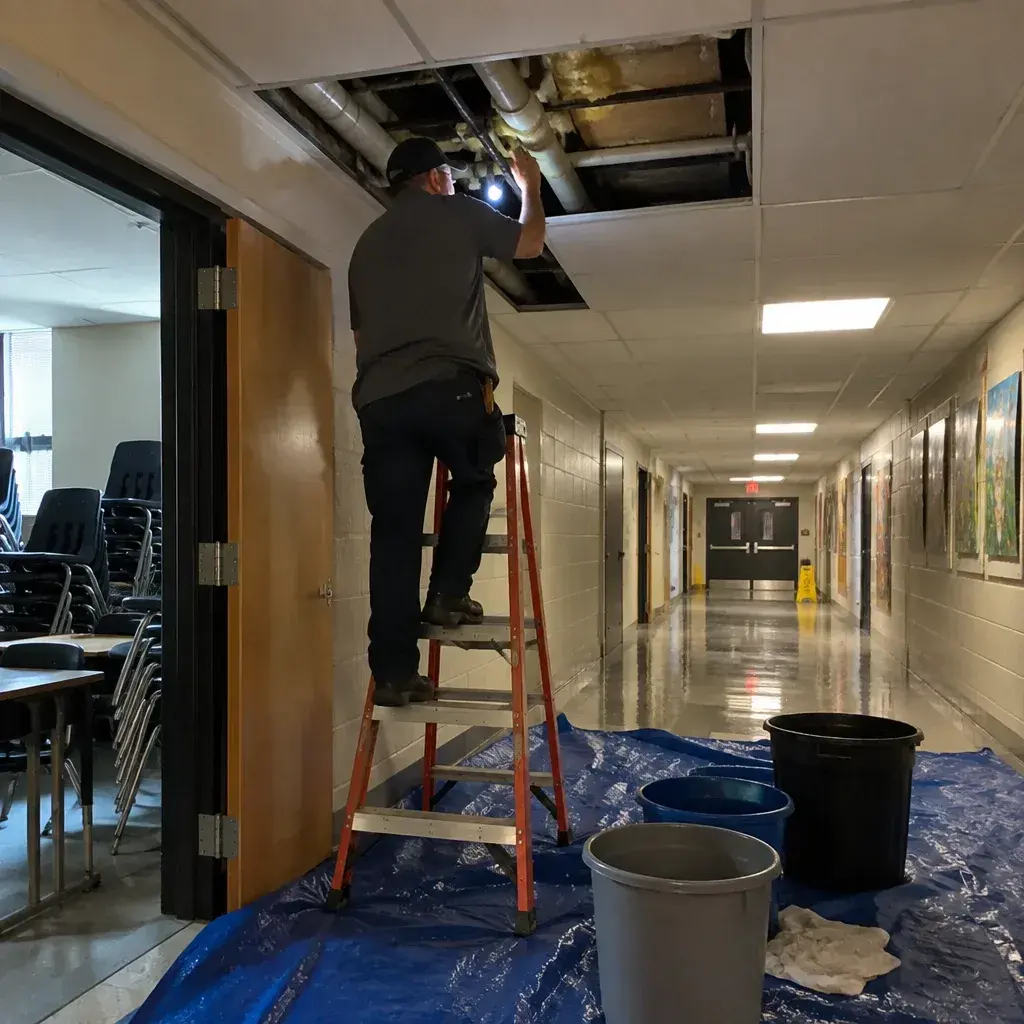
A sudden change in water pressure may point to a break in the line. Finding the line may require access work before the plumber can repair it. In Kentucky, ask what opening the affected area involves and how that task appears in the estimate. This matters in homes near the Franklin Historic Shopping District, as it does elsewhere: the visible stain alone cannot define the plumbing job.
Do not approve a broad access plan until you understand what the plumber needs to reach. A shutoff valve can help stop flow while the repair is planned. Across Kentucky, from the setting near General Butler State Resort Park to homes near Toyota Motor Manufacturing Kentucky, ask what finding the line requires before access begins. That keeps the proposed scope tied to locating the break.
Questions Before You Approve
Review each estimate line by line before work begins. Ask what labor covers, which pipe and fittings are included, and whether the charge includes testing the repair. In Kentucky, also ask which tasks are outside the plumbing work, so a separate charge does not surprise you later. The pros we connect you with should be able to explain each item in plain terms. Clear answers help you decide whether the proposed repair addresses the damaged line.
If the plumber discovers a different problem while tracing the leak, pause before approving additional work. Ask what was found, how it changes the repair, and what new charge it adds. Kentucky plumbing work can involve different tasks, so do not treat an unexplained add-on as part of the original repair. A direct explanation lets you make a fresh decision with the new information in view. Keep the discussion focused on the pipe and work proposed.
Dealing with a burst pipe in your home?
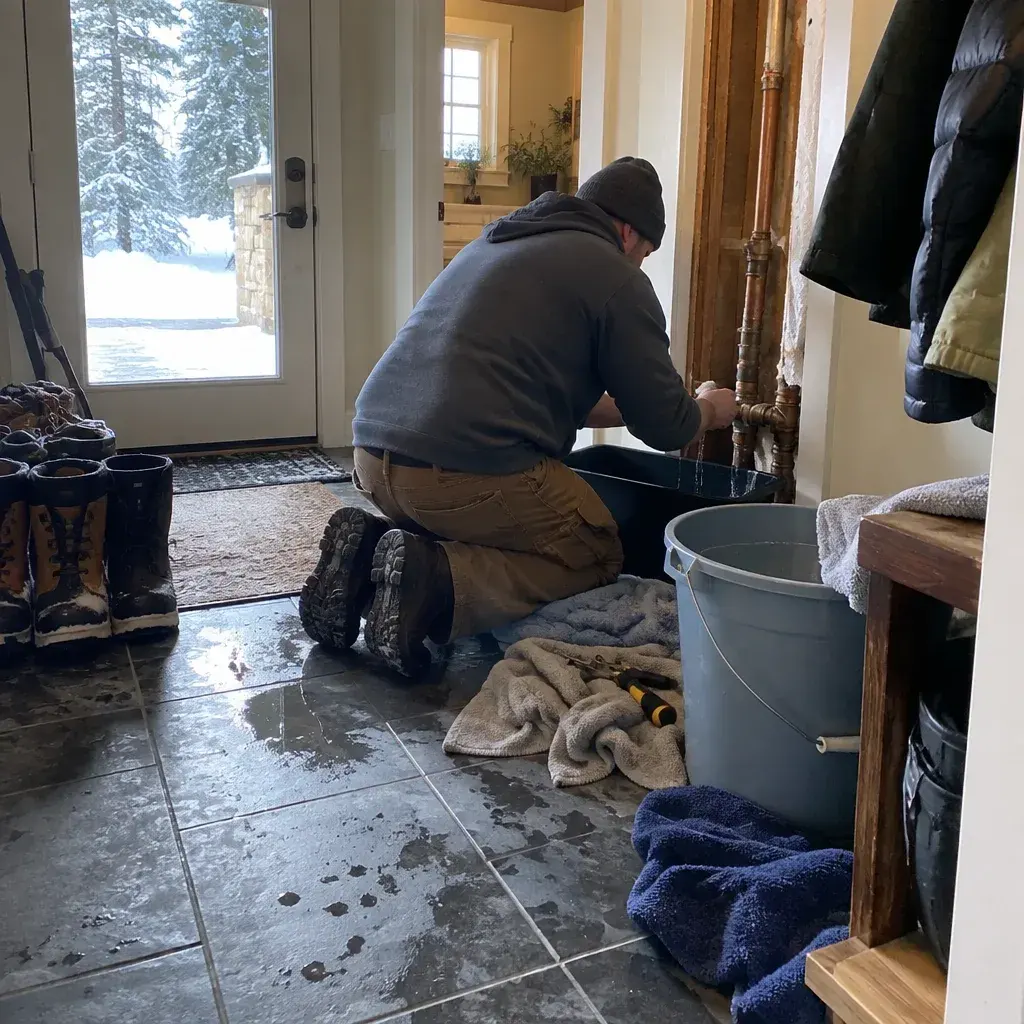
Water after a pipe break can keep spreading while the supply line remains pressurized. In Kentucky, frost and freezes can contribute, but the cause needs checking at your property. Water can soak into nearby materials before the full damage is visible. Pipe repair locates and fixes the line; extraction, drying, and rebuilding are separate restoration work. Stay clear of electrical hazards, and ask about concealed damage before access work begins.